
2026 BLUE RIDGE REGIONAL RESILIENCE CHALLENGE
Advancing multi-hazard resilience solutions for Blue Ridge communities

Blue Ridge communities face a growing convergence of hazards – flooding, extreme rainfall, landslides, debris flows, high winds and extreme heat. These risks are interconnected, persistent, and difficult to manage with fragmented tools and limited resources.
Building on lessons from the 2024 and 2025 RISE Riverine Community Resilience Challenges, the Blue Ridge Regional Resilience Challenge seeks innovative, integrated solutions that help communities prepare for, respond to and recover from disasters as a connected system.
This Challenge positions the Blue Ridge region as a real-world proving ground for scalable resilience solutions that strengthen recovery, improve coordination and deliver measurable value before, during and after disaster events.
Meet The Finalists

Impact Circle by Zero Circle
Impact Circle connects Western Virginia resilience projects to 10,000+ pre-vetted corporate buyers seeking nature-based investments.

FloodMapp
FloodMapp offers localized flood forecasting and real-time modeling built for early warning and emergency response.

Lighthouse™ by Mērak Labs
Lighthouse™ helps communities decide what to check, clear, and stage—focusing limited resources where they're needed most.

Shepherd.AI by ParaWave
Shepherd.AI provides video intelligence for faster damage assessment, debris prioritization, and coordinated multi-agency response.
Meet The Semifinalists

Stability.org
Stability preserves institutional knowledge, deployment history, and measurable impact for emergency management continuity.
Impact Circle by Zero Circle
Impact Circle connects Western Virginia resilience projects to 10,000+ pre-vetted corporate buyers seeking nature-based investments.
FloodMapp
FloodMapp offers localized flood forecasting and real-time modeling built for early warning and emergency response.
NYX Defender by Generation NYX
NYX Defender connects teams across agencies on shared cloud infrastructure with mapping, chat, field reports, and drone feeds.

EmergenCITY AI by Resilitix Intelligence, LLC
EmergenCITY AI translates plain-English questions into auditable geospatial analytics for a shared regional operating picture.
Lighthouse™ by Mērak Labs
Lighthouse™ helps communities decide what to check, clear, and stage—focusing limited resources where they're needed most.

ClimPrecip, ClimAlert & ClimPrepare by Climformatics Inc.
Climformatics provides AI-enabled climate forecasting from days to a year ahead for proactive risk mitigation.

Divirod, Inc.
Divirod delivers actionable water data, nowcasts, and forecasts through IoT to combat water risk and data scarcity.

CARE by Prisere, LLC
CARE optimizes road clearance sequences with rapid debris intelligence, restoring maximum population access with available equipment.

Imagine Aerial
Imagine Aerial uses drones and AI to transform how America maintains critical infrastructure like buildings, roads, and bridges.
Shepherd.AI by ParaWave
Shepherd.AI provides video intelligence for faster damage assessment, debris prioritization, and coordinated multi-agency response.
THANK YOU TO OUR JUDGES
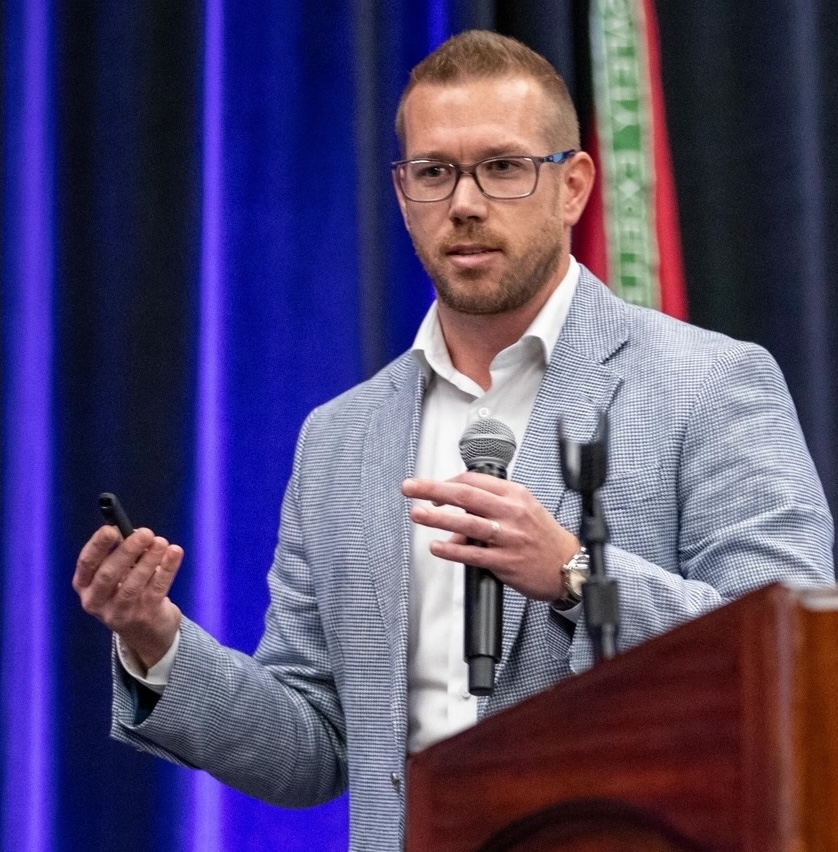
Bradley Dean
Founder
Resilient US
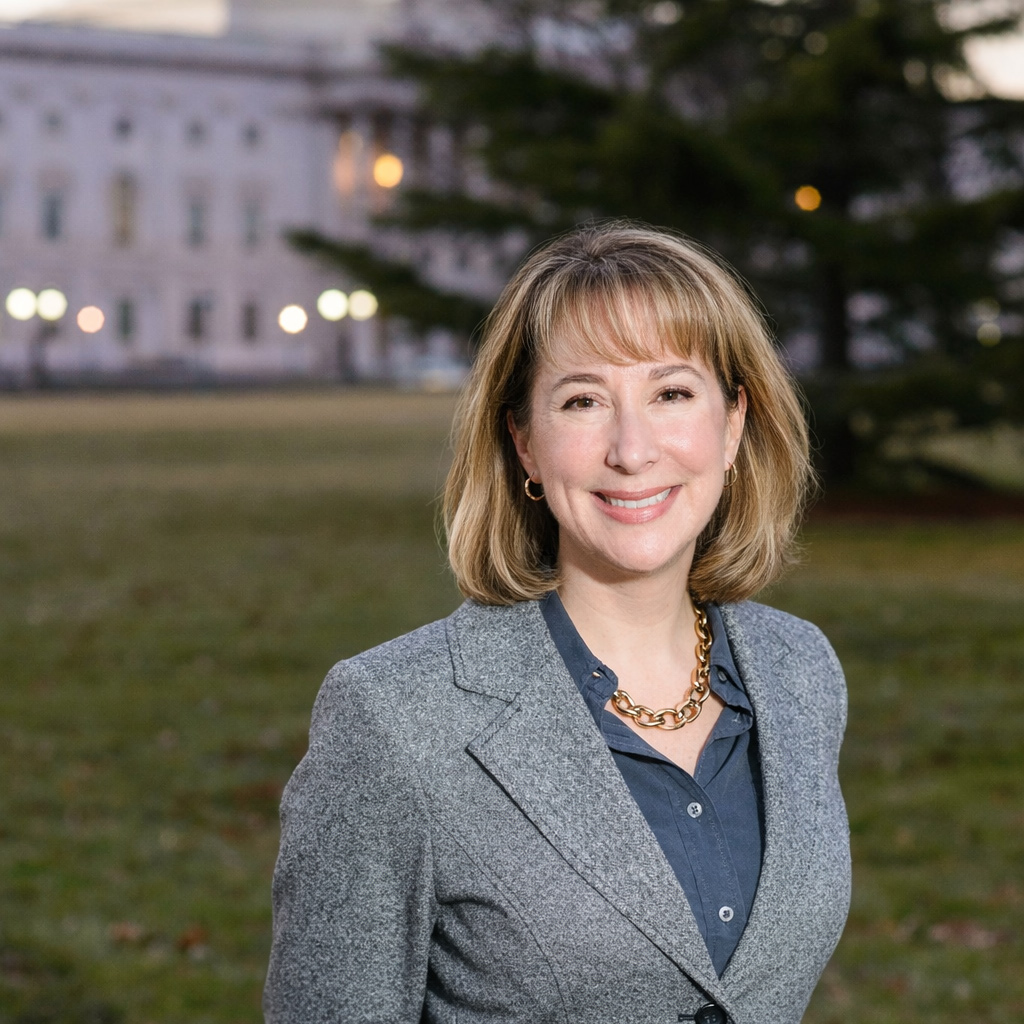
Samantha Medlock
Founder & President
Climate Risk Advisors
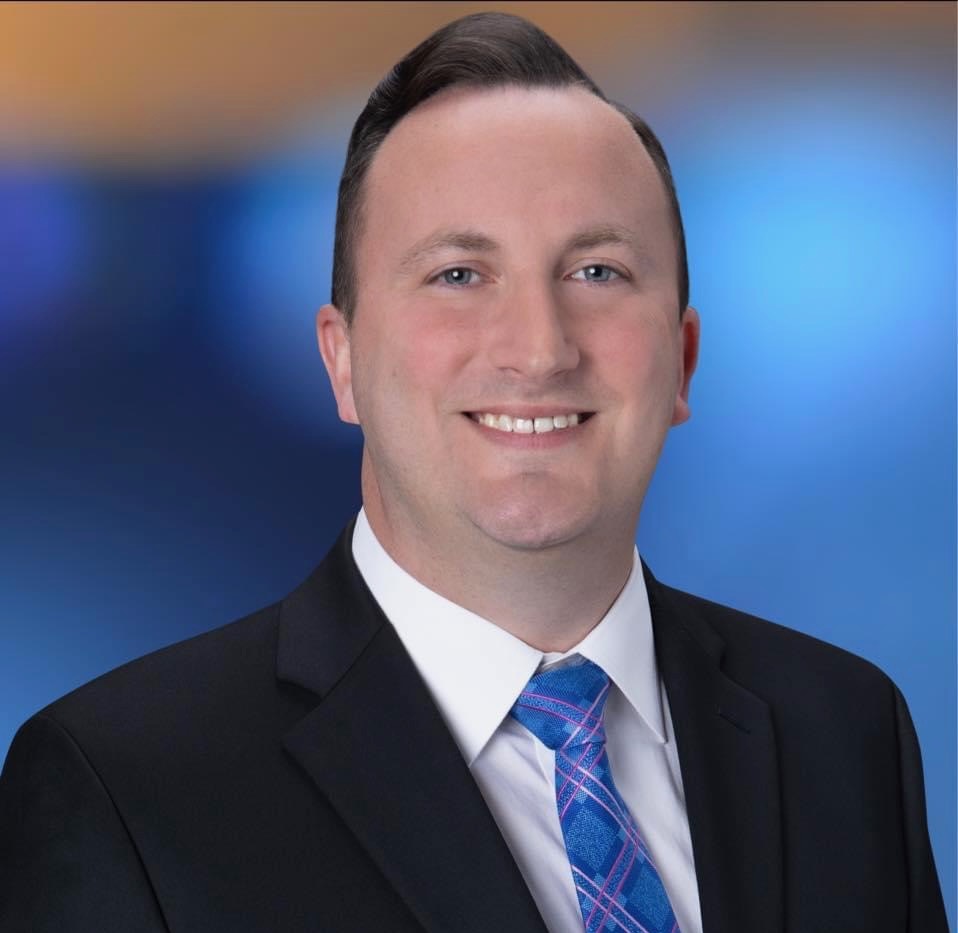
Daniel Johnson
State Hazard Mitigation Planner
VDEM
Terry Nicholson
Town Manager
Narrows, VA

Paul Robinson
Executive Director
RISE
Priority Topic Areas
The Blue Ridge Regional Resilience Challenge seeks solutions aligned with the following focus areas:
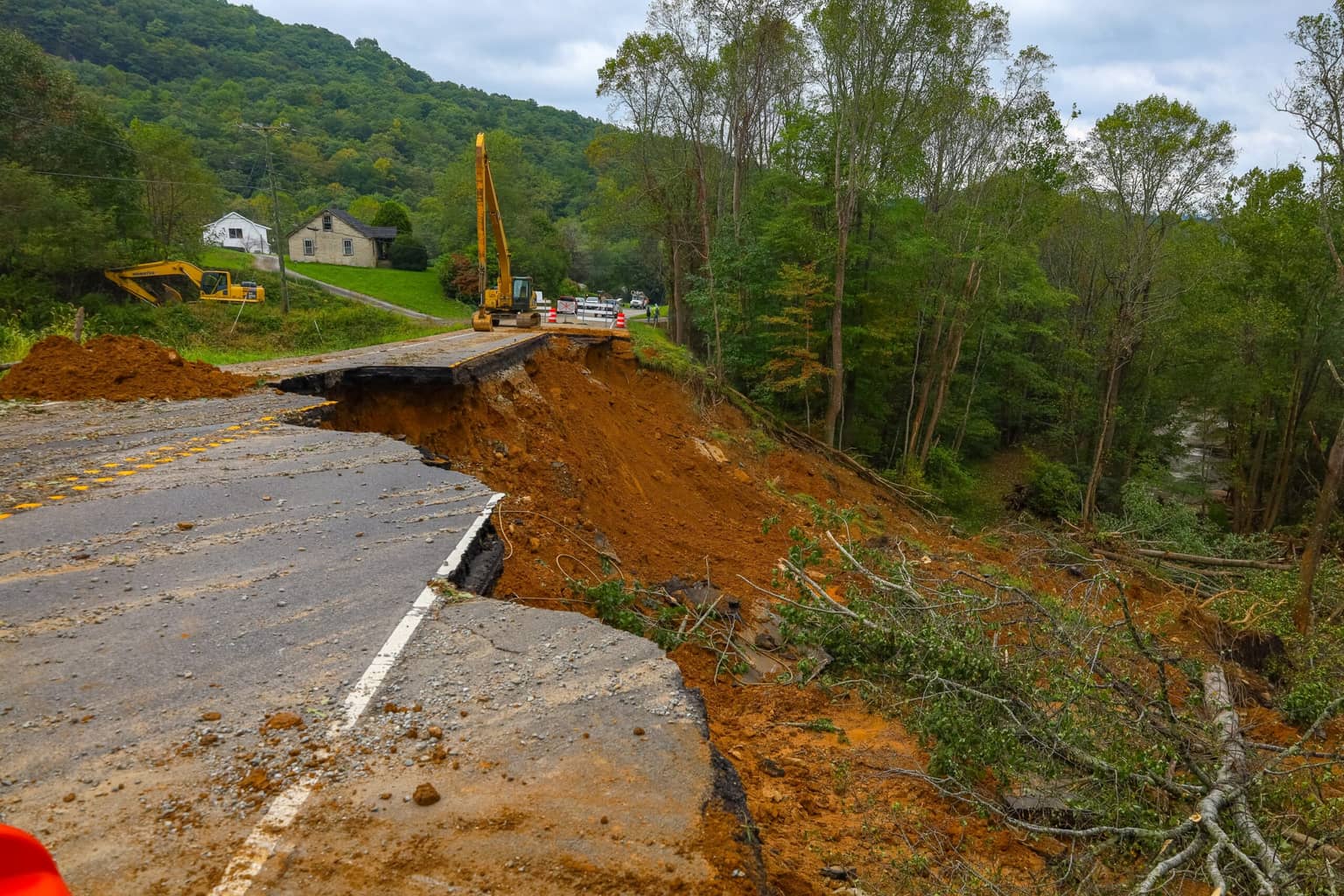
Post-Event Recovery

Innovations that accelerate post-event recovery through debris management, landscape stabilization, and remediation following floods and related hazards – enabling communities to restore function faster and reduce long-term impacts.
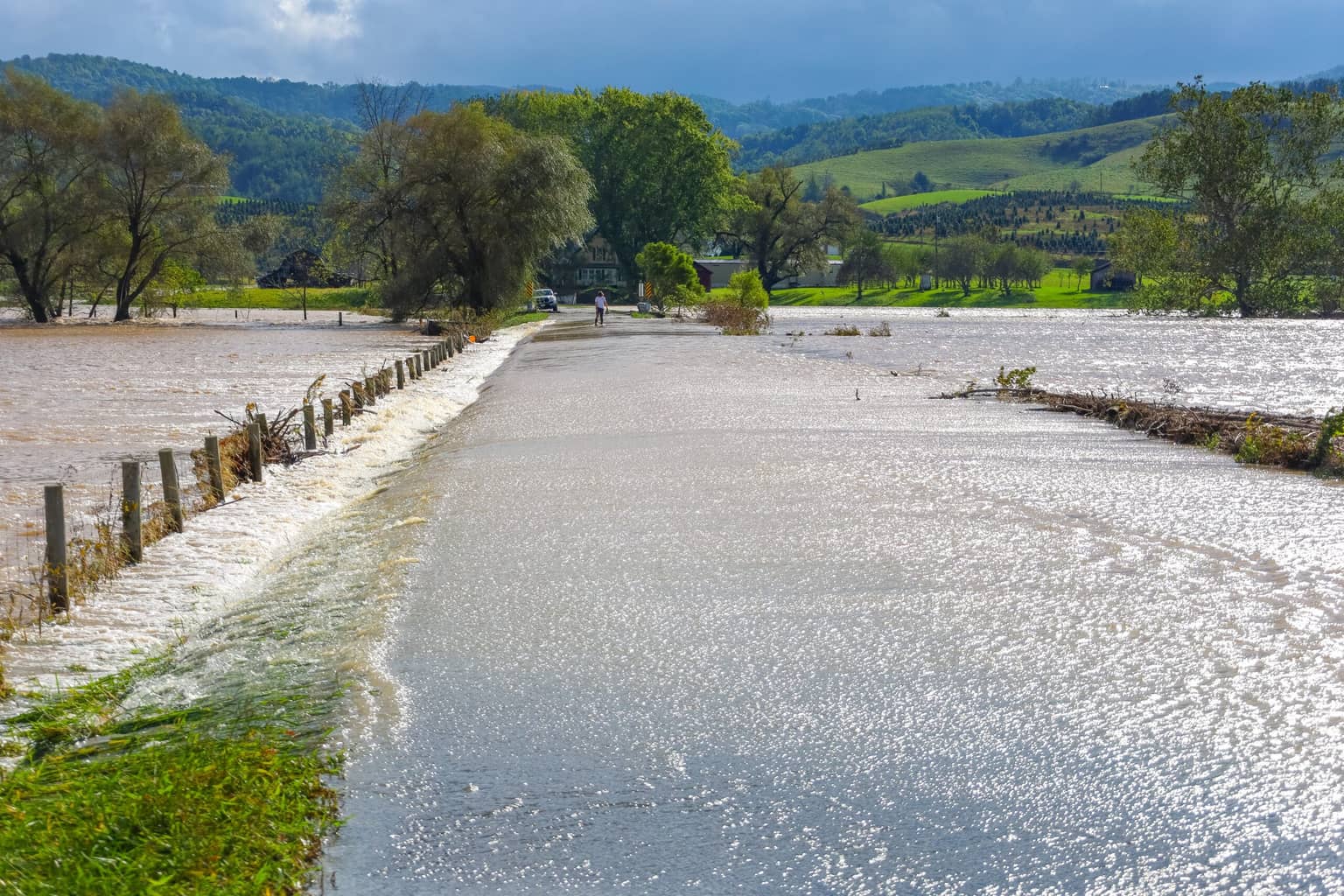
Integrated Resilience Solutions

Tools and systems that address multiple hazards while improving coordination across agencies and jurisdictions and functioning under real-world constraints such as limited staffing and connectivity.
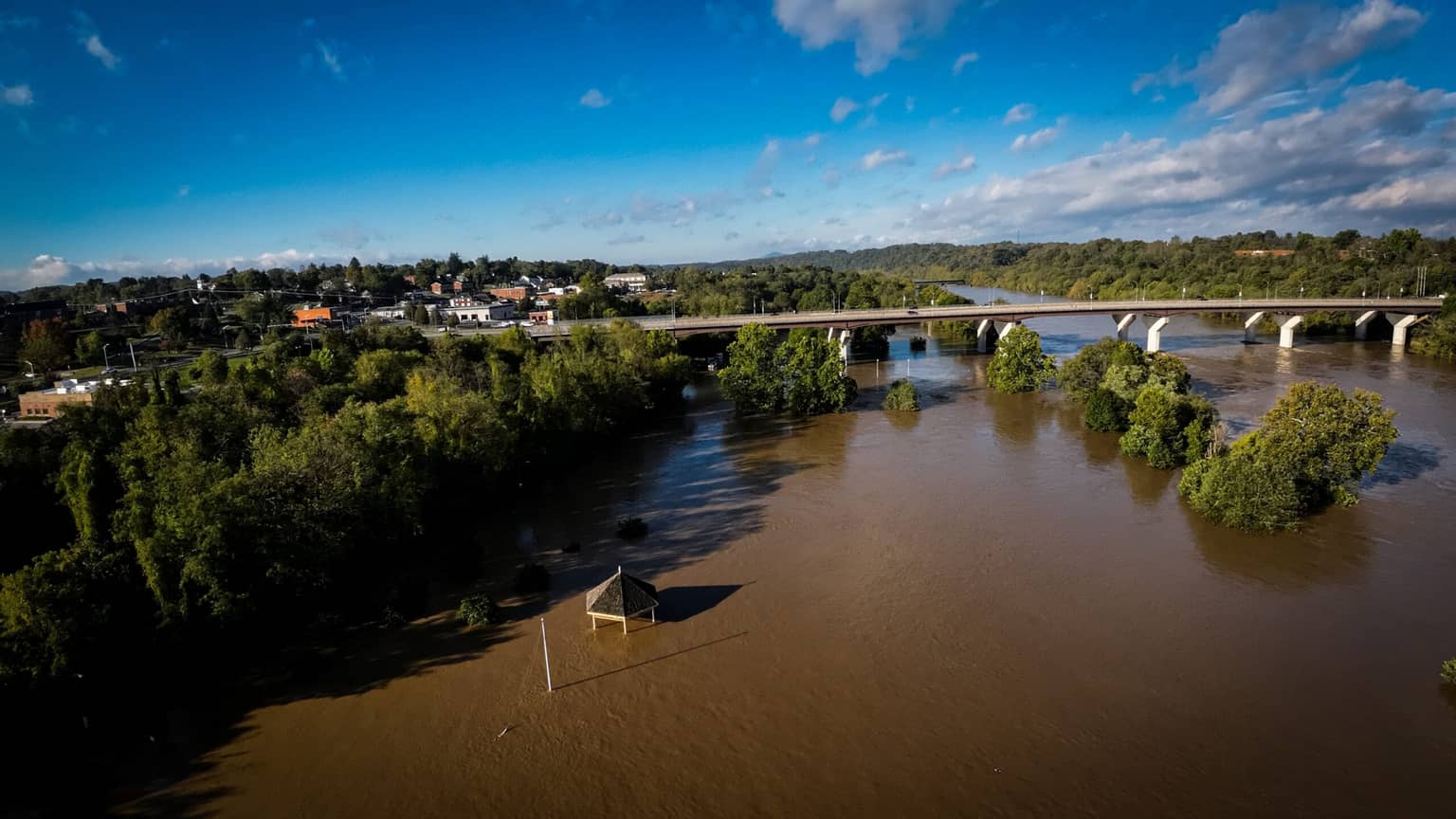
Regional Resilience Value Case

Approaches that demonstrate the broader economic, social, and community value of resilience investments, moving beyond avoided losses to show how resilience enables faster recovery, stronger local economies, and sustained community well-being.
Informational Webinars
Our Challenge webinars feature subject matter experts and key stakeholders discussing the topic areas and answering attendee questions. Register to attend and watch previous webinars below!
Webinar 1
- Paul Robinson, Executive Director of RISE
Dr. Paul Robinson, Executive Director of RISE, will introduce the Blue Ridge Regional Resilience Challenge, then answer questions during the live Q&A that follows.
Watch Now →Webinar 2: Debris Management
- Paul Robinson, Executive Director of RISE
- Terry Nicholson, Town Manager in Narrows, VA
RISE Executive Director Dr. Paul Robinson will be joined by Terry Nicholson, Town Manager of Narrows in Virginia. Gain valuable first-hand insight from those on the front lines before, during, and after riverine flooding events in towns across Virginia’s Blue Ridge Region. Attendees will be able to ask questions during the webinar.
Watch Now →Webinar 3: Integrated Solutions
- Paul Robinson, Executive Director for RISE
- Angela Davis, Director, Division of Dam Safety & Floodplain Management, Virginia DCR
- Jon Butler, Emergency Services Coordinator for Giles County, VA
- Thomas Lawson, Regional Planner for LENOWISCO PDC, VA
RISE Executive Director Dr. Paul Robinson will be joined by a panel of emergency managers and planners for a discussion on integrated resilience solutions. Gain valuable first-hand insight from those working to incorporate tools and systems that address multiple hazards while improving coordination across agencies and jurisdictions, all while functioning under real-world constraints such as limited staffing and connectivity. Attendees will be able to ask the panelists questions during the webinar.
Watch Now →Webinar 4: Economic Value Case
- Paul Robinson, Executive Director for RISE
- Greg Steele, Chief Resilience Officer for the State of Virginia
- Gilman Callsen, Founder and CEO/CTO for Rho Impact
RISE Executive Director Dr. Paul Robinson is joined by an expert panel for this conversation on the Economic Value Case for Regional Resilience.
Watch Now →Eligibility
- Must be a business entity
- Must be able to deploy a solution within the Blue Ridge region (PDCs 1–7), either independently or with a local partner
- Solution must be at the prototype stage or later
- Must be able to execute a grant agreement by June 6, 2026.
- Must be able to complete a proposed project by June 30, 2027
- Finalists will be required to register with the Virginia State Corporation Commission (SCC).
Awards
Applicants may apply for up to $300,000 in non-dilutive grant and revenue-based loan funding.
The Selection Committee may recommend making an award (or a portion of it) contingent upon refinement of a business plan and/or work plan. In such cases, winners may be required to participate in a Resilience Innovation Accelerator and will receive up to $10,000 to support participation.
In addition to funding, the winners will also gain access to a suite of benefits including:
- Assistance securing real-world pilot sites within the Blue Ridge region (PDCs 1–7)
- Feedback from government and community pilot hosts
- Access to relevant datasets
- Government, technical, and business mentors
- PR opportunities and media visibility
- Regulatory and government funding guidance
- Introductions to potential investors and customers
- Customized business accelerator curriculum
Timeline
* All dates are subject to change
Challenge Launch / Applications Open
Application Submission Deadline
Semifinalists Announced
Deadline to submit additional documentation if selected as a semifinalist
Semifinalist Pitches
Finalists Announced
Finalists must execute an award agreement
Launch of the Resilience Innovation Accelerator and project implementation
Finalist Pitches
Winners Announced
The eligibility requirements differ for each Challenge, but generally:
- Your company will be required to meet the definition of a small business, as defined by the U.S. Small Business Administration and found under 13 CFR Section 121.201.
- Your company must be able to test/pilot your solution in Southwest Virginia
- You must be prepared to deploy your solution and spend all of the revenue-based loan or grant by a predetermined date stated with each Challenge
- Your technology has to be past the prototype stage or already have customers using your technology
- If you are accepted as a finalist, you will be required to submit further documentation such as technical details of your solution, a work plan, and financial projections within 14 calendar days of being notified of you finalist status
- Finalists will be also required to obtain a DUNS number and register on Sam.gov
For detailed information, please read the Applicant Guidelines posted on the Challenge webpage.
Yes, you can partner with a larger company as long as your project proposed to the Challenge is led by you as a small business.
RISE offers one-stop-shop resources and a living testbed to innovators in the coastal resilience sector. Winners receive wrap-around support including:
- Non-equity funding in the form of a grant or loan
- Customized business accelerator curriculum
- Technical, government, and business mentors
- Assistance with securing real-world pilot and test sites in the Southwest Virginia region
- PR and media visibility
- Technical assistance with government regulatory compliance
- Ongoing support throughout the duration of your project
- Introductions to leaders, experts, and other stakeholders in Southwest Virginia
- Introductions to potential investors
- The only ecosystem (40+ previous Challenge winners) of coastal resilience entrepreneurs in the U.S.
Applicants can apply for non-equity funding up to a predetermined amount for each Challenge. RISE Resilience Innovation Fund awards come in two forms: 1) Revenue Based Loan and 2) Grant. Grant awards may be combined with the Revenue Based Loan. The award type and amount is determined by the RISE Executive Director based on the scoring and recommendations of the RIF Investment Committee.
Grants
Grants are awarded for the costs of product development, project setup in Southwest Virginia, and Southwest Virginia-focused use case discovery and development. All grant funds must be fully expended by a predetermined date set with each Challenge.
Payments made to the awardee under the grant are made on a reimbursement basis for eligible costs.
Our grant has come from a variety of sources aligned with each Challenge, including funding from the U.S. Department of Housing and Community Development, Virginia Department of Housing and Community Development, and GO Virginia.
We look for startups, small businesses (as defined by the U.S. Small Business Administration) that are at the post prototype stage. Please see the definitions below:
Prototype: An entity building and testing its product, service, or business model. Typically described as “Pre-Seed” if For Profit. Pilot: An enterprise deploying a tested product, service, or business model in at least one community. Hybrids and For Profits would typically be in a “Seed” round and generating revenue (whether or not they are cash flow positive). Growth: An entity with an established product, service, or business model rolled out, which is poised for further growth in multiple communities or countries. Organizations at this stage should have a clear path to sustainability. For Profits at this stage would be “Seed” or “Series A.” Scale: A sustainable entity working in several communities or countries and that is looking to scale significantly, focusing on increased efficiency. For Profits in this stage would be “Series A” or “Series B.”
Eligibility extends to U.S.-based companies.
Businesses that are accepted into our program need to deploy their solution in western Virginia, either themselves or by hiring or partnering with a local entity to deploy your solution. We only select projects that can provide a demonstrable benefit to our testing ground in the Greater Northwest, Southwest and Roanoke Valley regions, while being scalable to other communities.
The project can be implemented in a smaller target area with a view to scaling with additional funding. The actual location can be decided by the winner and the PDC’s. The project funded in this Challenge will be a proof of concept.
The funding will be in the form of a grant, a revenue based loan, or a combination of the two. This is the approach that has been used in the past.
None yet since none of the costs (or solutions) are known. There needs to be a discussion with the Commonwealth on what they are willing to support. However the premise behind the State giving RISE funds to run this Challenge I s that they wanted us to find solutions and they know that the PDCs are limited in resources.
We will not know until March 20.
I am sure there are riverine flooding issues in Georgia per the FEMA map (southwest/northwest Georgia), For our Challenge the work must be done in Virginia.
That would be for the team to ascertain if needed. We have no relationships with the local weather services.
No. Submissions are due March 20 2pm. EDT. If you have other specific questions please send them and we will answer.
Arcgis and Arcgis pro to publish REST services. We utilize an online interactive gis platform to display our data for public use.
Wise county does not promote flood insurance.
Wise County follows the County ordinances and FEMA guidelines for flood mitigation. There have been no FMA grants in the past three years. The last grant award was in the Town of Wise in 2019 for 16 acquisitions.
There is a list in the applicant guidelines that will tell you what can be covered/not be covered.
The info was from press reports only. I would imagine NWS has some archived data.
It could be included in either one. Please make sure it is clearly indicated.
Yes. June 30, 2027.
Yes. Letters of Support may be submitted.
No. Preference is to keep them separate and to make sure the Work Plan/Approach is developed to support the Technical Approach and Economic Impact. Also the Work Plan/Approach may be subject to amendment during Phase 2 if company is selected.